



Wine
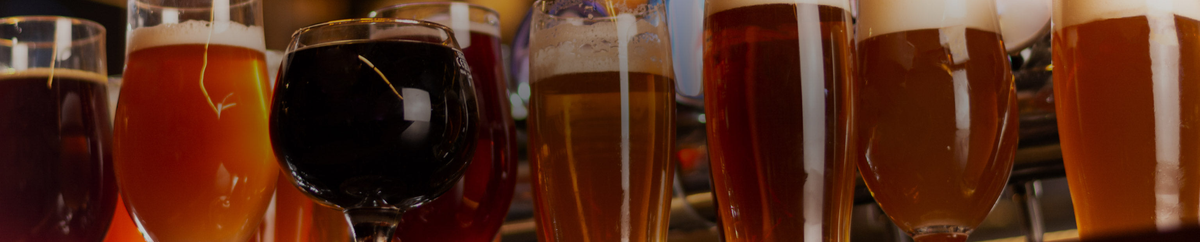
Beer Collection
The Global Craft Revolution: From Crisp, Refreshing Lagers to Bold, Hop-Forward IPAs and Complex Barrel-Aged Stouts.
A Universe of Brewing Tradition The world of beer is more diverse and exciting than ever before. At ZYN, we celebrate the full spectrum of brewing—from the ancient, monastic traditions of Europe to the boundary-pushing innovations of the North American craft movement. Our collection is curated to ensure that whether you are looking for a "crisp and clean" patio sipper or a "big and bold" cellar-aged treasure, you will find the perfect pour for any occasion.
Explore the Major Styles To help you navigate our extensive inventory, we categorize our selection by the characteristics that define the drinking experience:
-
Lagers & Pilsners: The ultimate in refreshment. These bottom-fermented brews are known for their clean, crisp profiles and subtle malt sweetness. Look for classic German Pilsners, Czech Lagers, and local Alberta Craft Lagers.
-
India Pale Ales (IPAs): The heart of the craft movement. From the piney, resinous "C-hops" of a West Coast IPA to the tropical, hazy, and juicy explosion of a New England IPA (NEIPA).
-
Pale Ales & Bitters: Perfectly balanced and approachable. These ales offer a harmonious blend of malt body and floral hop aromatics.
-
Stouts & Porters: Deep, dark, and decadent. Explore the roasted coffee and dark chocolate notes of a Dry Irish Stout or the velvety, high-gravity intensity of an Imperial Milk Stout.
-
Belgian & Trappist Ales: Complex, spicy, and effervescent. This category includes everything from the refreshing citrus of a Witbier to the rich, dark-fruit complexity of a Dubbel or Quadrupel.
-
Sours & Wild Ales: For the adventurous palate. These beers utilize specialized yeast and bacteria to create tart, acidic, and often fruit-forward profiles, including Gose, Berliner Weisse, and barrel-aged Lambics.
The Local Advantage: Alberta Craft As a Calgary-based destination, we are proud to champion the incredible talent within our own backyard. Our "All Items" beer list features a massive selection of Alberta Craft Breweries, ensuring you have access to the freshest releases from the province’s most innovative brewers.
Curating Your Experience Beer is a seasonal and gastronomic journey. Use our filters to sort by IBU (Bitterness), ABV (Alcohol Strength), or Format (from standard cans to 750ml "cork and cage" bottles). Whether you are stocking up for a weekend BBQ, seeking the perfect pairing for a spicy curry, or hunting for a rare, limited-edition release, our beer library is updated weekly with the latest arrivals from around the globe.
Shop Beer at ZYN Discover the depth of our Beer collection in-store at ZYN Calgary or browse our curated inventory online at ZYN.ca. We offer cold-pick up at our warehouse and delivery right to your door.
Your Inbox, Upgraded.
No spam, just good taste. Sign up to get tailored recommendations and first dibs on our favorite high-value wine and spirits offers.
- ✓ Curated for your taste
- ✓ Zero inbox clutter
- ✓ Exceptional value deals
What you get
- 01
Exclusive Drops
Secure cellar allocations before they hit the shelf.
- 02
Special Offers
Access hidden sales and insider promo codes.
- 03
Priority Access
First access to storewide promos and sales.
Thousands have joined. Free. Unsubscribe anytime.
Understanding Item Availability
- 'In-Store: XX units in stock'
Indicates the exact number of units currently available for purchase in the store.
Note: If you need more than the available quantity, check if the online status shows 'Online: Available'. If it does, additional items can be prepared for pickup or shipping within 2 to 3 days of placing your order. - 'Online: Available'
Indicates that the item can be prepared for pickup or shipping within 2 to 3 days after your order is placed. - 'Online: XX units in stock'
Refers to the specified quantity of units that are immediately available for shipping.
Important: Once this stock is sold, the item may no longer be available.